The History and Significance of the British World War 1 Uniform
The british world war 1 uniform stands as one of the most recognizable military outfits of the early 20th century. More than just clothing, it represented a turning point in military history — when style and tradition gave way to practicality and survival. As World War I erupted in 1914, the soldiers of the British Army marched into battle wearing uniforms designed not for spectacle, but for the harsh realities of modern warfare.
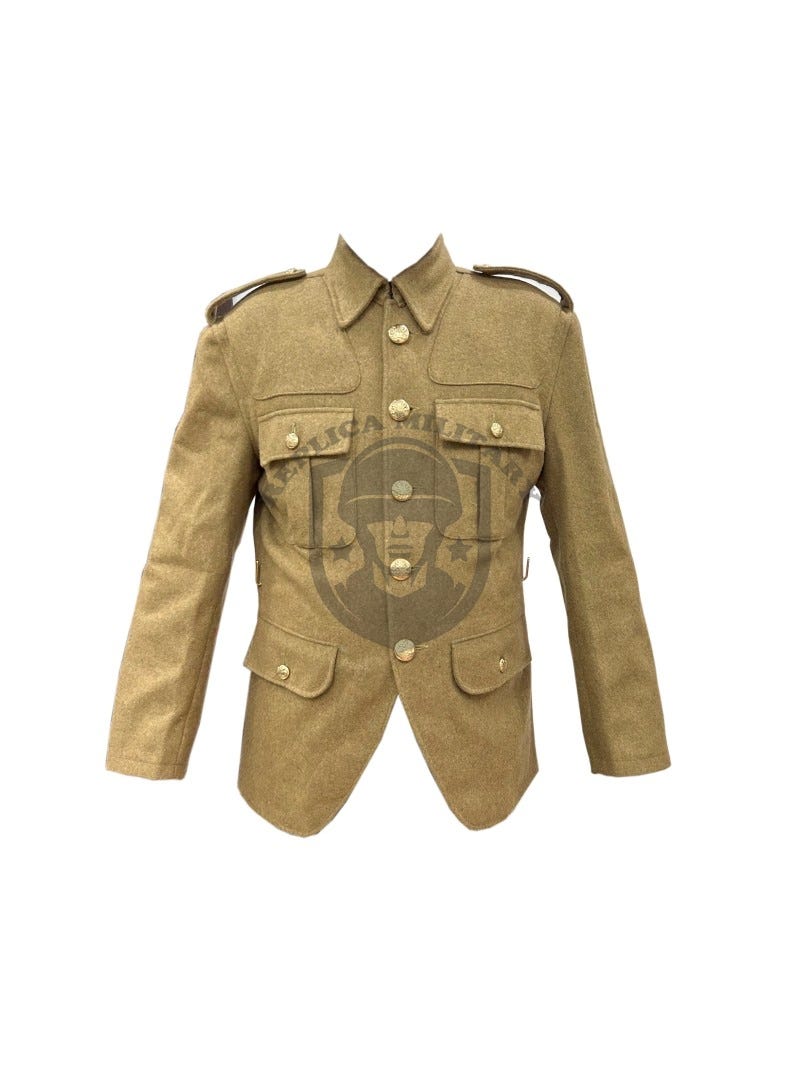
This blog explores the origins, components, adaptations, and lasting legacy of the british world war 1 uniform, revealing how it evolved in response to one of the most devastating conflicts in human history.
From Tradition to Practicality
Before World War I, British soldiers were famously known as “Redcoats,” a legacy of bright red tunics worn during earlier centuries. However, experiences in colonial conflicts such as the Second Boer War demonstrated that colorful uniforms made soldiers easy targets in an age of long-range rifles and machine guns.
By the early 1900s, khaki had replaced red as the primary color for field service uniforms. Khaki, meaning “dust-colored,” provided natural camouflage in a variety of environments. When World War I began, the british world war 1 uniform already reflected this practical shift, emphasizing concealment and durability over tradition.
Core Components of the British World War 1 Uniform
The standard british world war 1 uniform was known as the Service Dress. Introduced in 1902, it became the foundation for what British troops wore throughout the war.
1. The Service Dress Tunic
The khaki wool tunic formed the centerpiece of the uniform. It featured four large front pockets for carrying small items, brass buttons often engraved with regimental insignia, and a stiff stand-up collar. Though functional, the wool material could be heavy and uncomfortable, especially in wet trench conditions.
2. Trousers and Puttees
Instead of tall leather boots, soldiers wore ankle boots paired with puttees — long woolen strips wrapped tightly around the lower legs. Puttees provided ankle support and helped keep mud and debris out of boots. In the trenches of the Western Front, where thick mud was constant, this feature proved essential.
3. Headgear: Cap to Helmet
At the start of the war, British soldiers wore a soft peaked Service Dress cap. However, as trench warfare intensified, artillery shells and falling shrapnel caused devastating head injuries. In response, the British introduced the steel Brodie helmet in 1916.
The Brodie helmet, sometimes called the “tin hat,” featured a wide brim and shallow dome. It offered protection from overhead explosions and became one of the most iconic symbols of the WW1 British Military Officers Uniform.
4. Webbing and Equipment
The 1908 Pattern Webbing system replaced traditional leather equipment. Made from woven cotton, it was lighter and more resistant to water damage. Soldiers used this webbing to carry ammunition, bayonets, entrenching tools, and water bottles.
This practical load-bearing system reflected how the british world war 1 uniform was designed not just for appearance, but for sustained combat operations.
Adapting to Trench Warfare
World War I introduced a new kind of fighting. Battles such as the Battle of the Somme highlighted the brutal realities of trench warfare — constant shelling, mud-filled trenches, and harsh weather conditions.
To cope with freezing winters, soldiers were issued heavy wool greatcoats. Waterproof groundsheets were used as makeshift shelter. Gloves and scarves became necessary additions during cold months.
Another major adaptation involved protection from chemical weapons. After the first large-scale gas attacks in 1915, British troops were equipped with gas masks. These respirators became standard issue and a vital part of the british world war 1 uniform.
Officers and Enlisted Men
While the basic structure of the british world war 1 uniform remained consistent, differences existed between officers and enlisted soldiers. Officers often purchased their own uniforms, resulting in higher-quality tailoring and finer materials.
Officers also wore distinctive Sam Browne belts — a leather belt with a supporting shoulder strap. Instead of rifles, many carried revolvers and swords, reflecting their leadership role rather than front-line rifle duties.
Despite these distinctions, both officers and enlisted men endured the same harsh conditions in the trenches.
Regimental Identity and Pride
Although khaki standardized the overall look, regimental identity remained important within the British Army. Cap badges, shoulder titles, and insignia allowed soldiers to proudly display their unit affiliations.
Regiments such as the Royal Scots and the Royal Fusiliers maintained unique insignia and traditions. Scottish regiments often retained kilts, though these were sometimes adapted or covered for combat practicality.
These small details gave individuality to the otherwise uniform appearance of British troops.
The Human Story Behind the Uniform
Over five million men served in the British forces during World War I. For many volunteers in 1914, wearing the british world war 1 uniform symbolized patriotism, duty, and honor. Recruitment posters encouraged men to “join up,” presenting the uniform as a badge of courage.
As the war dragged on, however, the uniform became a symbol of endurance and sacrifice. Photographs show soldiers covered in mud, their khaki uniforms worn and torn from months in the trenches. The uniform absorbed the physical and emotional toll of industrial warfare.
Lasting Legacy
The influence of the british world war 1 uniform extended far beyond 1918. Its emphasis on camouflage, protective gear, and functional design shaped military uniforms throughout the 20th century. The Brodie helmet continued to evolve and was used again during World War II.
Today, surviving examples of the british world war 1 uniform can be seen in institutions such as the Imperial War Museums. Historians, collectors, and reenactors carefully study these artifacts to preserve their authenticity and honor the soldiers who wore them.
Conclusion
The british world war 1 uniform represents more than a military outfit. It marks a transformation in warfare — from colorful 19th-century tradition to the practical, protective gear required by modern combat. Each component, from the khaki tunic to the Brodie helmet, tells a story of adaptation, resilience, and survival.
More than a century later, the image of British soldiers in their khaki service dress remains powerful. The british world war 1 uniform stands as a lasting symbol of a generation that endured unimaginable hardship and helped shape the course of modern history.
.png)


Comments
Post a Comment